I have arrived woefully late to the stage of podcast appreciation. Nonetheless, now that I have the enthusiasm for a medium that was generating buzz over a decade ago, I’m keen to share my zeal. The podcast that I treasure most is one called The History of Rock Music in 500 Songs and for months, I have been telling anyone who will listen all about it. Described as a history from 1938 to 1999, the podcast as of this writing has covered almost 173 songs. I say almost because the latest structure has songs broken up into multiple parts to more logically organize lengthy episodes.

The podcast is written and narrated by Andrew Hickey who is both a delight to listen to and a fount of vast information. His research is astoundingly thorough. Not only can Hickey tell you who played what on which studio session and how the players all felt about it, but he provides intelligent and relevant social context that explains influences and trends. One of Hickey’s favourite lines is that “there are no firsts” when it comes to music history. What he means by this is that music is such a collaborative and influential art form that it is almost impossible to know who was the first to come up with a particular innovation, because it is likely that multiple people were simultaneously and separately experimenting with something new. A fantastic aspect of the episodes I’ve been listening to on the music of the mid to late ‘60’s is the incredible influence that American blues artists had on British musicians and the later influence that these impressionable British bands had on American performers. In fact, styles and innovations bounced back and forth over the Atlantic as frequently as an ocean liner.

Hickey’s thoroughness is a marvel. He will relate which three pop stars played the role of the Artful Dodger in Oliver in London’s West End (Davy Jones, Steve Marriott of The Small Faces and Phil Collins), why the rest of the Rolling Stones intentionally told Brian Jones the wrong time for a recording session of “Satisfaction”, and the entire history of the exotic theremin (which is so fulsome in nature I thought he might never get to the Beach Boys’ “Good Vibrations” in that episode). Even his disclaimers at the beginning of episodes are thorough and highly entertaining; a typical disclaimer might mention three of four topics about to be discussed that could traumatize (these are rock stars after all). His disclaimers are hardly perfunctory; in fact, his defense of consensual sado-masochism and his disgust with fat shaming are passionate in his determination not to be misunderstood. Part of Hickey’s thoroughness ensues from the balance he provides; he is not willing to trust popular legend or even one or many members of a band’s take on things. He fairly considers all possibilities and also does a wonderful job of being aware of the revisionist tendencies of many musicians. Rather than saying anything definitively, Hickey prefers to consider relative plausibility.


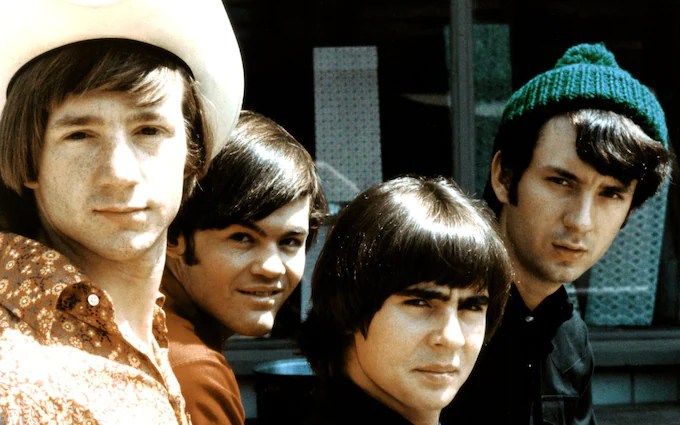
Where Hickey has made the biggest impact on me is not with episodes on performers I love and have avidly followed (Bob Dylan, Van Morrison, the Band—even though I enjoyed those episodes), but rather with episodes on bands I was either disdainful of (The Monkees), had unwisely pigeonholed (The Beach Boys) or had viewed from a distance (The Kinks). The episodes on The Monkees songs “Last Train to Clarksville” and “Daydream Believer” were both fascinating because I learned so much about the struggle between the television executives and the members of the band, and because I had no idea how varied and interesting the backgrounds of Jones, Nesmith, Tork and Dolenz are. Perhaps others know all about Clarksville’s connection to the Vietnam War and Jack Nicholson’s participation in their avant garde film named Head, but I sure didn’t. While I knew the Beach Boys had made a really great album in Pet Sounds, I had no idea that the Smile album that never got released was even more experimental and ambitious in nature. The episode on The Kinks’ “Waterloo Sunset” is a great example of Hickey’s thoroughness which borders on him playing detective to get to the bottom of who really should have partial songwriting credits on some of The Kinks’ material.
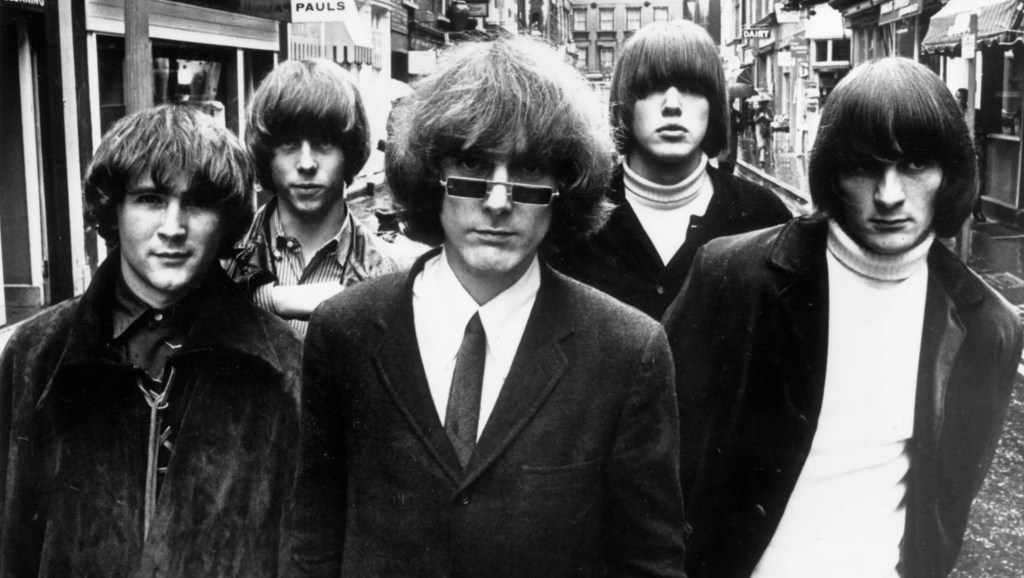
Hickey’s dry sense of humour is also much appreciated. Whether he is providing the listeners with a warning before doing an impression of Bob Dylan singing, cataloguing the increasingly bizarre behaviours of the hangers on surrounding Brian Wilson, or drolly commenting about the Byrds that “after the band had already got rid of Gene Clark, Michael Clarke, and Gram Parsons, getting in a drummer called Gene Parsons just seems like a deliberate attempt to annoy anyone trying to write about the group’s history”, Hickey can be extremely amusing.
His musical knowledge is also critical to the podcast’s success. Hickey is not only well versed in classical, jazz, blues, country and folk genres, but he intelligently recognizes and effectively explains how one song has been altered in terms of key signature, chord progression or pace when comparing a song with its prototype. It’s often quite astounding to learn just what influenced some of these well known rock songs and Hickey manages to track down some rather obscure sources ranging from classical composers to the theme song for the British soap opera Coronation Street. In addition to having a firm grasp of musical theory, Hickey is astute in understanding the music business. I forget which episode it was (one on Jackie Wilson possibly), but Hickey makes it very clear why for fledgling record labels, it isn’t so much the first hit song that is so critical as the second one. Many distributors would simply not pay new record labels for the first hit they received, willing to risk that a nascent firm would not be able to afford a lawsuit if it came to that. As the new label has to pay for production of the records, without a second hit, they can easily go under. The second hit gives them leverage because they can refuse to ship it to distributors until they pay for the first hit shipments. And yes, the podcast certainly does confirm that young musicians and new bands eager to get a record deal regularly sign bad deals; in fact, it is common that they have no knowledge of just how many commitments they have made to the record label. One of the worst contracts was signed by Van Morrison and one episode documents how the contract survived the death of the manager and also reveals some of the creative ways Morrison got around some of the songs he owed to the label. The podcast is an education without ever being too staid or preachy.
So if you like music, take the opportunity to listen to an episode or two and draw your own conclusion. You might not only learn some new things about beloved bands or artists, but might just discover some new artists and songs to add to your playlists.
 prose by p. rose